

How to Estimate Commercial Power Washing Costs
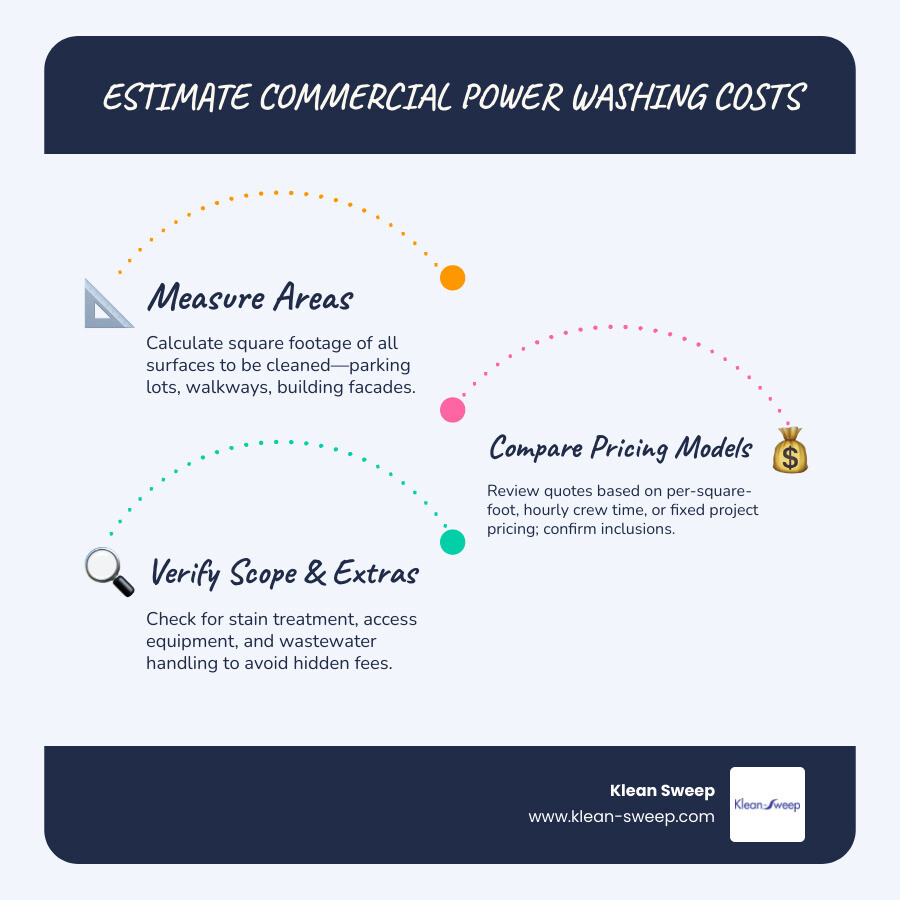
The average cost of power washing depends on the area cleaned, the surface, and how much work the job requires. For a useful estimate, measure each area, then ask whether the quote is based on square footage, crew time, or a fixed project price. Check what the quote includes, especially stain treatment, access equipment, and wastewater handling. General consumer averages are not a reliable budget for a commercial site.
I’m Jana Hanson, and I’ve led Klean Sweep’s growth in exterior maintenance across greater Los Angeles since 2012. My experience has taught me that the average cost of power washing is most useful when you compare quotes for the same scope of work.
Relevant articles related to average cost of power washing:
Understanding the Average Cost of Power Washing for Commercial Properties
Commercial property managers, facility directors, and retail business owners across Southern California face unique demands when budgeting for exterior maintenance. Unlike standard small-scale projects, enterprise-level exterior cleaning must handle expansive parking facilities, multi-story office facades, loading bays, and busy retail corridors throughout cities like Los Angeles, Torrance, Beverly Hills, Carson, Pasadena, and Brea.
When calculating the overall budget for exterior cleaning, contractors typically price jobs based on total surface area, hourly rates for dedicated multi-person crews, or comprehensive project-based agreements. Benchmark data from the 2026 Pressure Washing Cost Report demonstrates that regional variance, surface difficulty, and project scale heavily shape baseline operational expenses across major metropolitan centers.
To better plan your operational expenditures, exploring our commercial power washing overview will help clarify what goes into a professional quote.
| Project Type | Common Pricing Model | Primary Cost Drivers | Typical Scope Inclusions |
|---|---|---|---|
| Parking Structures | Per Square Foot | Number of levels, oil stain density, drain locations | Degreasing, high-pressure rinse, wastewater recovery |
| Retail Walkways & Plazas | Square Footage or Flat Rate | Chewing gum density, pedestrian traffic, off-hours timing | Gum removal, hot water sanitizing, storefront protection |
| Loading Docks & Dumpsters | Fixed Project Rate | Heavy grease, biological waste, hydraulic fluids | Heated steam cleaning, industrial degreasers, odor neutralizing |
| Multi-Story Building Facades | Area / Height Scale or Hourly | Boom lift requirements, facade material, window density | Soft wash biocide treatment, low-pressure rinse, runoff containment |
| Industrial Concrete Floors | Per Square Foot | Cured tire marks, chemical staining, square footage | Mechanical rotary scrubbing, deep hot-water extraction |
Per Square Foot and Hourly Pricing Models
When evaluating proposals, you will find that commercial service providers use two primary pricing structures:
- Per-Square-Foot Rates: Preferred for large, continuous expanses such as commercial flatwork, distribution center aprons, and expansive parking garages. As the square footage increases, the rate per square foot often scales downward because mobile equipment setup and mobilization costs are distributed across a larger surface.
- Hourly and Crew-Based Rates: Applied when projects involve high intricacy, irregular obstacles, or heavily soiled focal points that require specialized attention. Loading docks with caked engine grease or shopping center entryways with dense chewing gum deposits require slower, methodical cleaning passes.
Crew sizing directly dictates production speed. A single technician operating a standard cold-water unit might take an entire shift to wash a mid-sized retail sidewalk. Conversely, a fully equipped commercial crew deploying multiple high-flow, heated units with mechanical surface cleaners can complete thousands of square feet per hour while capturing runoff simultaneously.
Factors Influencing the Average Cost of Power Washing
Commercial facility cleaning is not one-size-fits-all. Several key variables influence overall estimates:
- Surface Condition and Soil Buildup: Surfaces with light seasonal dust require less dwell time and lower fuel consumption than concrete saturated with restaurant fryer oil or diesel residue.
- Architectural Accessibility and Heights: Single-story retail centers are simple to access with standard telescoping wands. Multi-story office envelopes in Pasadena or Beverly Hills require aerial lifts, specialized rigging, and fall-protection setups, which increase equipment and labor overhead.
- Wastewater Reclaim and Environmental Protection: Facilities near storm drains must comply with strict environmental runoff rules. Deploying vacuum berms and filtration systems ensures no contaminated water reaches local waterways.
- Service Scheduling and Operational Windows: Performing deep steam cleaning during standard business hours disrupts tenants and customers. Night or early morning work minimizes commercial downtime but may involve shift differentials.
To evaluate full facility needs, property managers often rely on comprehensive commercial cleaning services that integrate exterior washing with routine sweeping and porter care.
Commercial Pressure Washing Cost Breakdown by Facility Area

Commercial complexes consist of distinct architectural zones, each demanding unique cleaning methods, water volumes, and chemical treatments.
Average Cost of Power Washing Across Different Commercial Surfaces
Every exterior asset endures different traffic patterns and environmental wear:
- Parking Garages and Lots: Heavy vehicles leave behind petroleum hydrocarbons, transmission fluids, and tire scuffs. Cleaning these surfaces requires industrial rotary surface cleaners paired with specialized degreasers and wastewater extraction to maintain clean concrete and clear line striping.
- Building Facades and Architectural Cladding: Commercial facades accumulate vehicle exhaust soot, airborne grime, and mold. Cleaning these vertical assets requires careful pressure calibration to preserve mortar, exterior insulation and finish systems (EIFS), and architectural coatings. Reference data from industry cost data emphasizes that height and vertical square footage remain major factors in commercial exterior pricing.
- High-Foot-Traffic Walkways: Retail promenades and office courtyards collect soda spills, dropped food, and thousands of embedded chewing gum spots that require focused, high-temperature steam treatment to dissolve the bond without etching the concrete substrate.
Specialized Cleaning: Dumpster Enclosures and Loading Docks
Dumpster corrals and freight transfer docks represent the most demanding cleaning environments on any commercial property.
Dumpster pads collect decomposing organic waste, animal grease, and foul odors that attract rodents and insects while creating serious slip-and-fall hazards for employees. Routine sanitization using 200-degree heated water and commercial-grade degreasers is necessary to remain compliant with municipal health and environmental regulations.
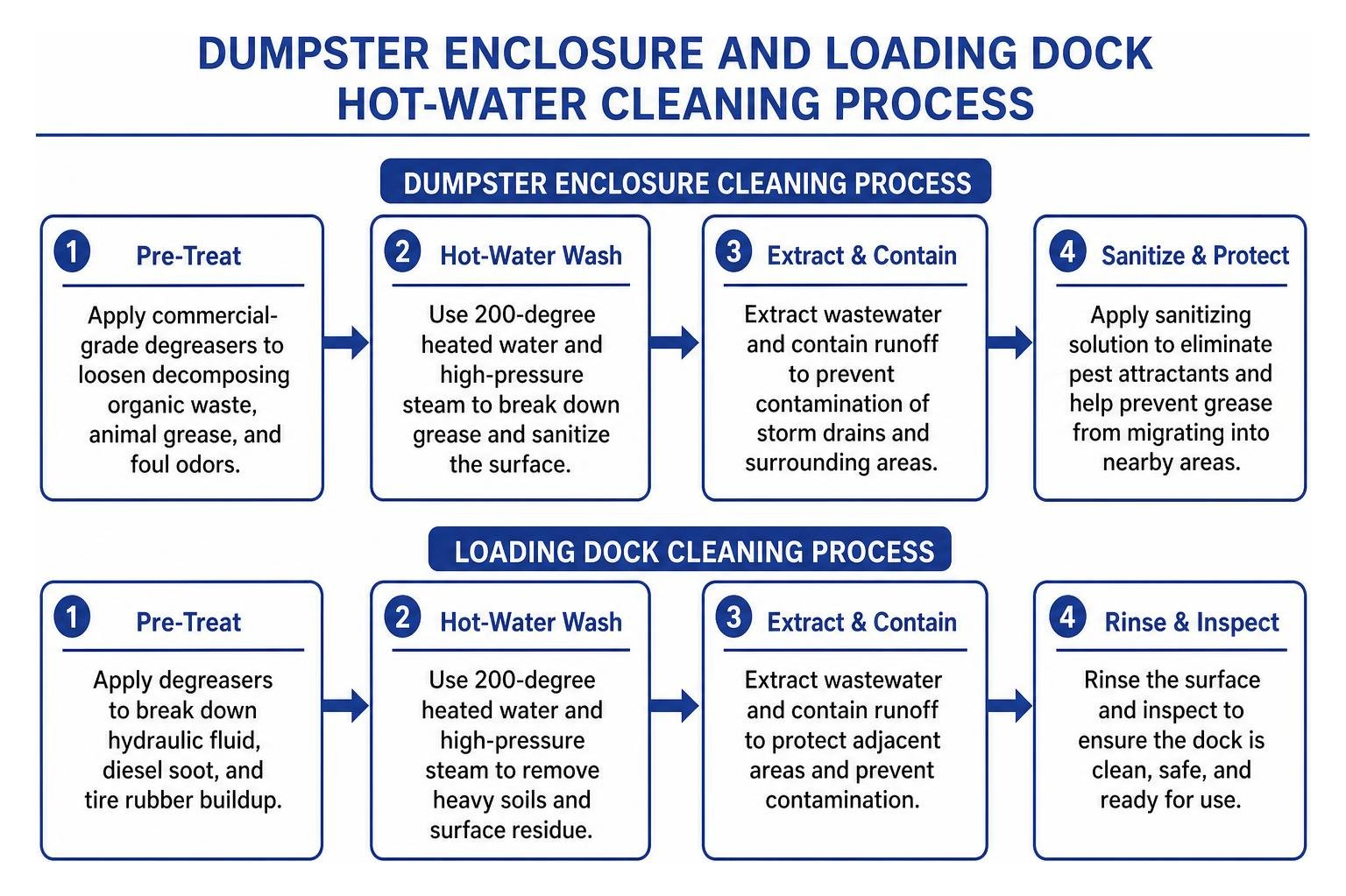
Our guide on washing commercial dumpster enclosures details how proactive steam sanitization eliminates pest attractants and prevents grease from migrating into nearby parking stalls.
Similarly, loading docks collect hydraulic fluid, heavy diesel soot, and tire rubber from delivery trucks. Maintaining these transit points requires specialized high-pressure steam cleaning to prevent soils from being tracked directly into interior warehouses or retail storage rooms.
Pressure Washing vs. Power Washing vs. Soft Washing: Costs and Applications
Understanding the mechanical differences between cleaning methodologies ensures that your property receives the proper balance of restorative power and substrate protection without unnecessary spending.
| Method | Primary Mechanism | Optimal Commercial Surfaces | Key Benefit |
|---|---|---|---|
| Pressure Washing | High pressure, cold water (up to 4,000 PSI) | Durable exterior concrete, stone curbs, asphalt edges | High-velocity mechanical removal of loose dirt, mud, and general grit |
| Power Washing | High pressure, heated water (180°F to 240°F) | Grease-stained concrete, dumpster bays, parking stalls | Thermal breakdown of hydrocarbons, animal fats, and chewing gum |
| Soft Washing | Low pressure (under 500 PSI) with biocide detergents | EIFS, painted stucco, metal cladding, commercial roofs | Chemical eradication of algae, mildew, and biological spores without substrate damage |
When to Choose Hot-Water Power Washing for Stubborn Grime
Cold water is effective for clearing seasonal dust and loose silt, but it cannot dissolve dense oils or animal fats. Trying to clean grease using cold water alone simply spreads the petroleum film across a wider area of the concrete, creating a slippery sheen.
Hot-water power washing functions like an industrial dishwasher. By elevating water temperatures above 180 degrees Fahrenheit, the thermal energy melts grease and oil bonds at a molecular level, emulsifying the sludge so high-volume vacuum recovery systems can safely extract it from the surface. This thermal approach is essential for heavy industrial operations, drive-thrus, and busy parking structures.
Soft Washing Considerations for Commercial Building Envelopes
Commercial exterior walls, including decorative precast panels, EIFS, glazed tile, and composite metal panels, can be damaged by high-pressure blasting. Excessive pressure can puncture wall cladding, strip protective sealants, and force water deep behind window seals, leading to interior moisture issues and mold.
Soft washing solves this issue by relying on chemistry rather than mechanical force. Specialized cleaning solutions, surface-safe surfactants, and algaecides are applied at low pressure. The solution dwells on the surface to break down algae, lichen, and atmospheric carbon before being rinsed clean with a low-pressure wash, protecting building warranties and sensitive finishes.
In-House DIY Equipment vs. Professional Exterior Maintenance
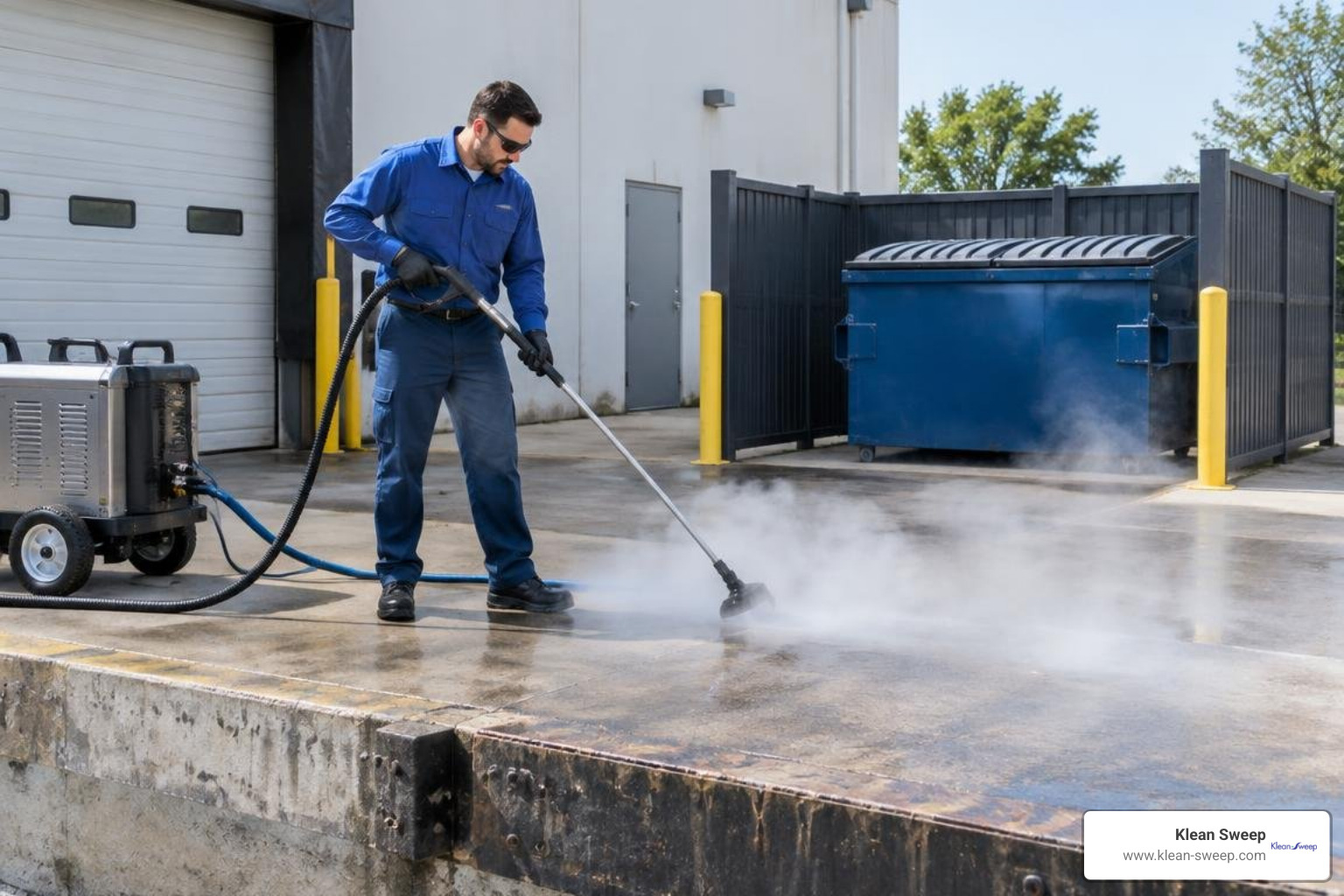
Facility teams often weigh the cost of buying light commercial pressure washers for internal maintenance staff versus partnering with a dedicated exterior maintenance provider. While in-house equipment appears budget-friendly on paper, the true cost of ownership and regulatory risk tell a different story.
Capital Costs of Commercial-Grade Washing Equipment
Equipping an in-house crew to commercial standards requires substantial capital investment:
- Industrial-grade gas pressure washers and high-output burner trailers
- Heated water diesel burners and heat-exchange coils
- Heavy-duty rotary surface scrubbers and specialized wand attachments
- Wastewater containment berms, sumps, and vacuum reclamation filtration units
- Ongoing replacement of high-pressure hoses, unloader valves, nozzles, and burner igniters
Beyond equipment acquisition, in-house units suffer from high downtime if maintenance schedules slip. Professional service providers bring fully integrated, self-contained mobile rigs equipped with high-capacity water tanks and commercial heating units, delivering consistent, reliable performance on every visit.
Reviewing the hidden risks of low-cost pressure washing illustrates the operational gaps and liabilities that arise when using improper or underpowered cleaning equipment.
Operational Risks, Safety, and Environmental Regulations
Commercial cleaning in urban Southern California is strictly governed by municipal stormwater protection ordinances under the Clean Water Act.
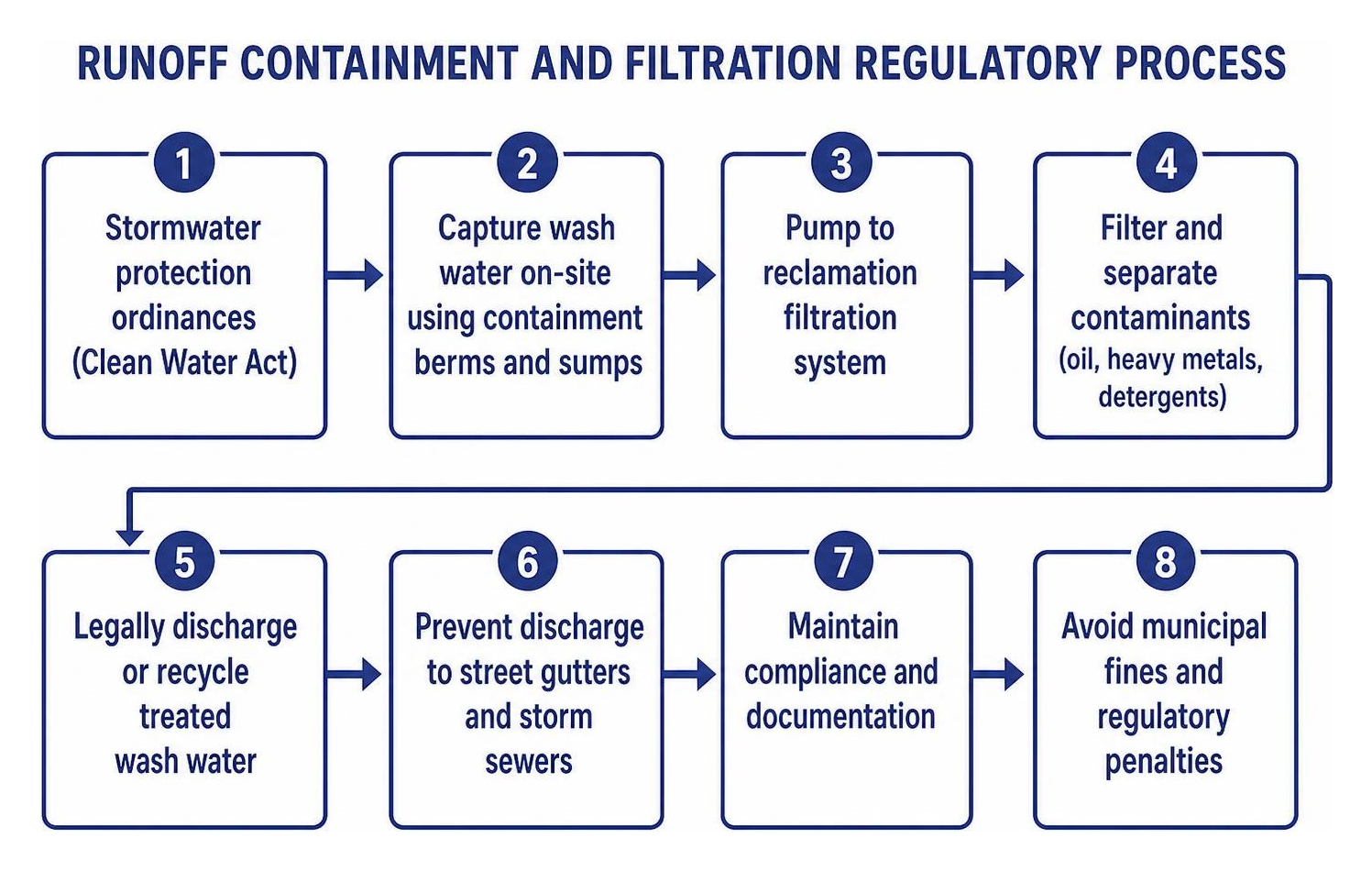
Allowing wash water carrying oil, heavy metals, or chemical detergents into street gutters and storm sewers can trigger thousands of dollars in municipal fines. Professional contractors utilize industrial reclaim setups that capture, filter, and legally discharge or recycle wash water.
Furthermore, high-pressure equipment operating at thousands of pounds per square inch poses genuine workplace safety hazards. Professional operators undergo comprehensive safety training, hold appropriate liability coverage, and follow OSHA protocols to keep commercial jobsites safe and compliant.
Strategies to Optimize Commercial Exterior Cleaning Budgets
Facility managers can stretch their exterior maintenance dollars by implementing strategic planning methods:
- Schedule Preventative Maintenance Agreements: Allowing grease, gum, and mildew to build up over years turns routine cleaning into an intensive, costly restoration project. Enrolling in quarterly or semi-annual service contracts reduces deep-cleaning labor and keeps the facility looking well-maintained year-round.
- Bundle Complementary Exterior Services: You can capture significant logistical savings by consolidating service visits. Combining pressure washing with parking lot sweeping, day porter services, and concrete maintenance eliminates redundant trip fees and centralizes property accountability with a single trusted provider.
- Target Off-Peak Service Windows: Performing comprehensive facility washing during early morning or overnight windows prevents disruptions to tenant parking, customer access, and retail deliveries.
- Pre-Clear Operational Areas: Ensure loading zones, parking lanes, and walkways are clear of parked vehicles, temporary dumpsters, and loose debris before the cleaning crew arrives to maximize active washing time.
For properties operating across Southern California, exploring dedicated Los Angeles exterior cleaning solutions provides local property teams with dependable, code-compliant property care.
Frequently Asked Questions About Commercial Power Washing Costs
How often should commercial properties schedule power washing services?
Cleaning frequency depends on your facility’s operational profile and customer volume:
- High-Volume Retail & Restaurants: Sidewalks, outdoor dining plazas, and dumpster enclosures typically require monthly to quarterly cleanings to manage heavy spills, food grease, and discarded chewing gum.
- Corporate Office Parks & Medical Centers: Pedestrian walkways and primary entry plazas benefit from bi-annual or annual deep cleaning to project a professional image and preserve slip resistance.
- Industrial Parks & Distribution Warehouses: Loading aprons, freight bays, and heavy parking structures generally schedule semi-annual or annual cleanings to remove accumulated tire rubber, petroleum leaks, and hydraulic fluids.
Do commercial pressure washing companies bring their own water supply?
Most professional commercial washing contractors operate self-contained mobile rigs equipped with integrated water buffer tanks holding hundreds of gallons. While these holding tanks allow crews to wash continuously without pressure drops, they are typically connected to designated on-site commercial water spigots or approved fire hydrants (with municipal metering permits) for continuous high-volume jobs. Fully self-contained water transport can be coordinated for remote facilities or sites without exterior water hookups.
What hidden expenses impact commercial exterior cleaning quotes?
When reviewing commercial proposals, make sure your estimate accounts for:
- Wastewater Recovery and Permitted Disposal: The equipment and labor required to vacuum, filter, and contain surface runoff in compliance with local stormwater regulations.
- Access and Lift Equipment Rentals: Boom lifts, scissor lifts, and specialized rigging needed to reach elevated exterior facades and multi-story parking structures safely.
- Specialized Heavy-Stain Pre-Treatments: Industrial enzymatic degreasers, acid-free rust removers, and targeted efflorescence treatments applied prior to high-pressure washing.
- Protective Site Preparation: Taping electrical junction boxes, protecting exterior HVAC vents, shielding landscape beds, and sealing sensitive ground-floor doorways against water intrusion.
Conclusion
A well-maintained commercial facility protects your property’s value, lowers liability risks from slick surfaces, and projects a welcoming image to tenants, clients, and visitors. While evaluating quotes requires looking beyond single flat rates, choosing a licensed, environmentally compliant commercial specialist ensures that every square foot of your parking decks, sidewalks, facades, and service bays is thoroughly cleaned without risking substrate damage or municipal fines.
Since 1969, our family-owned team at Klean Sweep has helped property managers across Torrance, Los Angeles, Beverly Hills, Carson, Pasadena, and Brea keep their facilities spotless using advanced, eco-friendly exterior maintenance methods. Explore our specialized Klean Sweep commercial steam cleaning and pressure washing services to schedule a comprehensive, on-site consultation for your property today.